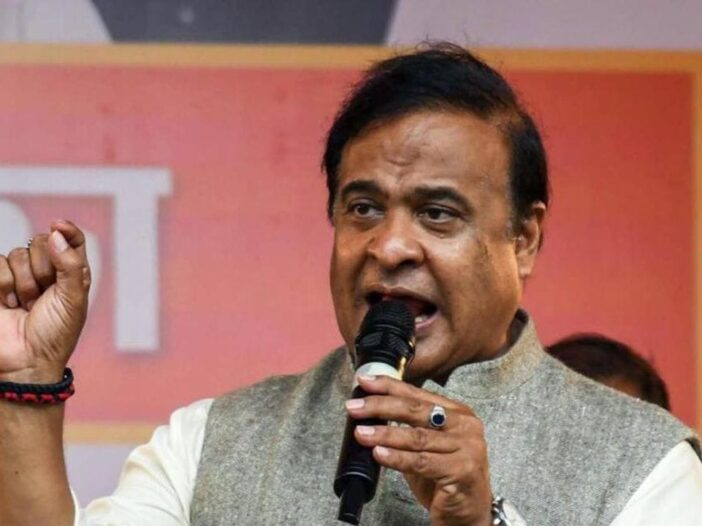
In Assam, Himanta Biswa Sarma’s government has introduced the Uniform Civil Code Assam Bill, 2026 in the Assembly. This bill was brought in the Assembly on Monday, in which various rules regarding marriage, live-in relationships and multiple marriages have been mentioned. This bill is a big step towards implementing uniform civil law in the state. Chief Minister Himanta Biswa Sarma posted on social media that the introduction of the ‘Uniform Civil Code 2026 Bill’ in the Assam Assembly opens the way for an official discussion on why UCC is needed in Assam at this time and how it will help in realizing the path shown by the founding fathers of our nation.
What are the important things introduced in this bill?
- Registration of live-in relationship will be mandatory.
- There has been talk of a complete ban on polygamy.
- If one of the two partners is from the state of Assam, then it will be necessary for him to register for marriage and divorce.
- Tribal communities have been kept out of the scope of this bill.
Assam, the third such state
UCC has been a controversial issue since its inception. This is because this bill means creating a uniform set of laws for all citizens for personal matters like marriage, divorce, inheritance and succession. Article 44 of the Constitution is one of the Directive Principles of State Policy. In this article UCC bill has been explained. But since independence, civil codes based on different religions have been controlling personal matters.
Assam Minister Atul Bora introduced ‘Uniform Civil Code Assam Bill, 2026’. In this, tribals have been kept out of its scope. Assam has become the third state among BJP-ruled states to bring such a law. Discussion and voting on this bill will take place on Tuesday. This is the last day of the first session of the 16th Assembly of Assam formed after the elections in April.
BJP had promised to implement UCC in Assam in its manifesto before the 2026 assembly elections. The state cabinet approved this law in its first meeting on May 13. Opposition parties, especially Congress, opposed the introduction of this bill without prior consultation with the concerned parties. But Speaker Ranjit Kumar Das gave permission to introduce this law after voice vote.

Leave a Reply