The Business Class program started in higher and technical educational institutions across the state under the Education Revolution of the Punjab Government has yielded positive results. Started as a compulsory subject for B.Com., BBA, B.Tech., B.Vocational, ITI and Polytechnic students, about 95,000 students were included in the first year of this program. Of these, 25,693 students started their own businesses, while 20,241 student enterprises generated a turnover of about Rs 90 crore in the first year.
On this achievement, Higher Education and Technical Education Minister Harjot Singh Bains said, Punjab The Business Class program is giving a new definition to the purpose of education. Our aim is not just to give degrees, but to create a new generation of youth who are innovators, entrepreneurs and job creators. Nearly 95,000 students worked on their business ideas, of which more than 25,000 launched their own startups.
Collectively earning around Rs 90 crores
In the very first year, these enterprises collectively earned about Rs 90 crore. It is clear from this that if the youth get the right opportunities, they can set up successful businesses, generate employment and contribute significantly to the economy of the state.
The objective of this program is to ensure that the youth of Punjab are not limited to thinking only about getting a job, but instead create employment themselves and become partners in economic development. In the academic session 2025-26, B.Com., BBA, B.Tech. will be offered in a total of 925 higher and technical educational institutions including 20 universities, 494 colleges, 320 ITIs and 91 polytechnics in the state. And a two-credit compulsory course was started for B.Vocational students during the academic session 2025-26.
E-commerce, bakery and food service education
Unlike traditional education which is limited to textbooks and exams only, this program teaches students practical entrepreneurial skills like identifying business opportunities, customer research, market validation, setting up business, digital presence, pricing strategy, customer acquisition, financial planning, communication skills and problem solving. As a result, about 57,000 students (about 60 percent of the participants) got involved in real professional activities while studying.
Through this program, students were motivated to start their own enterprises in e-commerce, bakery and food service, digital content creation, coding and professional services, graphic designing, fitness and wellness, retail, beauty and personal care, agro-based enterprises, handicrafts and other local service businesses. Its positive effect is being seen all over Punjab.
Which students achieved so much?
Saurav, a computer engineering student at Guru Nanak Dev University, Amritsar, earned around Rs 90,000 by selling the product at college events through his matcha drink brand Mock, In Matcha. The venture gained fame due to its unique flavors and freshness.
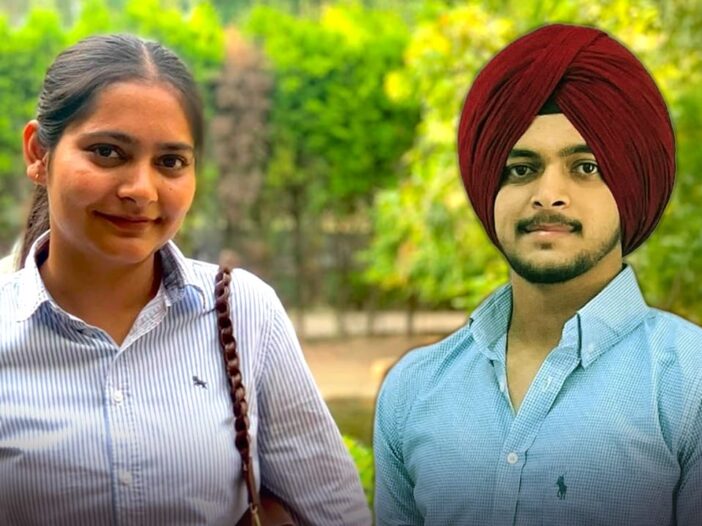
Sharanveer Singh of Maharaja Ranjit Singh Punjab Technical University, Bathinda developed a digital career guidance platform called SkillAxus, which has more than 2.5 lakh users. This example shows that students are setting up technology-based enterprises on a large scale through this program.
Pankaj from Sant Baba Bhag Singh University, Jalandhar, started an online artificial jewelery business named Jaria Jewelery through Instagram and YouTube and earned an income of Rs 30,000 by serving around 150 customers.
Kamaljit Singh of Government ITI, Patiala founded KML Mushrooms, which supplies button mushrooms to local markets and restaurants. He earned around Rs 1.5 lakh and also developed the packaging of his brand.
Gaganpreet Kaur Rangi, from Government ITI (Women), Mohali, started a home-based nail art business called Nail Studio by Gagan, which is being operated in collaboration with Instagram and local salons. From this he earned approximately Rs 55,000.
Ramandeep Singh of Government ITI, Mohali started online electronics business named Quality Electronic Store. They created their own website and expanded sales through social media.
These examples make it clear that the Business Class program is creating new entrepreneurship opportunities for youth across the state.
In view of the unprecedented success and encouraging results in the very first year, the Vice-Chancellors of all the universities of the state have unanimously recommended the expansion of business class in all undergraduate degree programs from the academic session 2026-27. Earlier this program was only for B.Com., BBA, B.Tech. And was limited to B.Vocational, but now it has been expanded to B.A, B.Sc. And it will also be implemented in all other undergraduate courses, so that more and more youth can get practical entrepreneurship skills along with regular education.
Business classes part of Punjab’s education revolution
The success of the Business Class program is another important achievement of the ongoing education revolution of Punjab under the leadership of Chief Minister Bhagwant Mann. By including entrepreneurship in higher education, the government is providing such practical skills to the students, thanks to which they can start their own business along with studies and become entrepreneurs who can provide employment in the future.
Maharaja Ranjit Singh is a B.Tech from Punjab Technical University, Bathinda. (Computer Science and Engineering) student Sharanveer Singh said, the priority given to entrepreneurship by the Punjab government has created confidence in students like me. SkillAxus is my attempt to translate that thinking into a digital career guidance ecosystem that helps students choose the right career.
Gaganpreet Kaur Rangi of Government ITI (Women), Mohali said, *Before the Business Class Programme, I used to think that job was the only option. This program changed my thinking and taught me to believe in my ideas. Today I am motivated to set up my own business and create employment opportunities for others instead of just looking for a job.

Leave a Reply