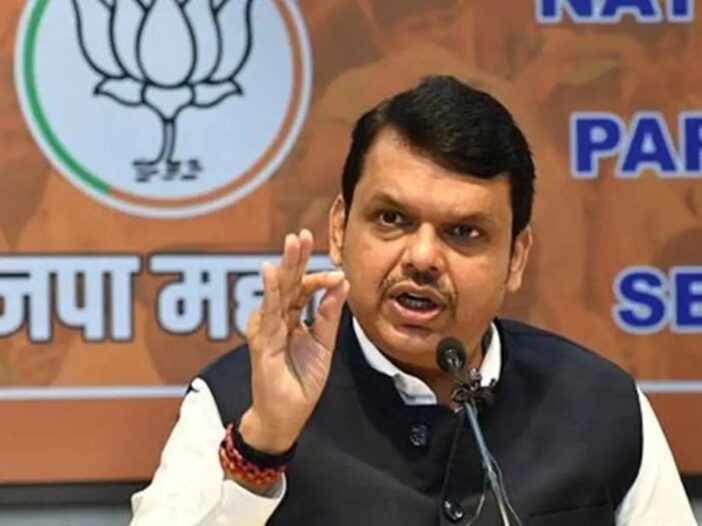
Maharashtra government has taken a big step towards implementing Uniform Civil Code (UCC) in the state. For this, the government has announced the formation of a 7-member high level committee under the chairmanship of retired judge Justice Ranjana Desai. The work of this committee will be to prepare the draft of UCC. Announcing this in the Assembly, Chief Minister Devendra Fadnavis said that the names of the committee members have also been finalised.
The Chief Minister said that this seven-member committee will comprehensively study all the legal, social and administrative aspects related to the Uniform Civil Code and will submit the report along with its recommendations to the state government within the next 6 months. On the basis of the report of the committee, the government will finalize the draft of the Uniform Civil Code.
Will be presented in the winter assembly session
Devendra Fadnavis said that the effort of the state government will be to present the bill related to Uniform Civil Code in both the Assembly and Legislative Council houses in the upcoming Nagpur Winter Assembly session and get it passed. The Chief Minister said that the government will move forward on this subject by following all necessary constitutional and legal procedures, so that concrete and effective steps can be taken towards implementing the Uniform Civil Code in the state.
Retired Supreme Court judge Justice Ranjana Desai will be the head of this committee. Its remaining 6 members include former Bombay High Court judge Justice R.C. Chavan, former Bombay High Court judge Justice S.G. Mehre, former Chief Secretary of Maharashtra D.K. Jain, former Advocate General Virendra Saraf, constitutional expert Rajesh Patange and social worker Dr. Suvarna Rawal.
What is Uniform Civil Code?
The purpose of the Uniform Civil Code is to bring a uniform set of laws in personal matters for all citizens, irrespective of their religion. Its goal is to ensure equal rights and equal treatment for every citizen by replacing personal laws based on religion with a uniform legal framework.

Leave a Reply