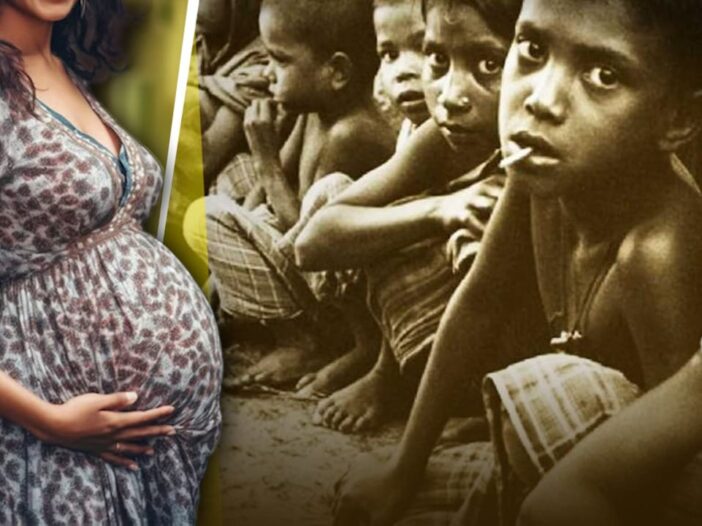
Early marriage and child marriage are common in Rajasthan, news about which often comes out. But do you know that Rajasthan also has the highest number of women getting pregnant at a young age in the country. This has come to light in the report of National Family Health Survey-6 (NFHS-6). In this report, concern has also been expressed about the health of children.
The latest data of National Family Health Survey-6 (NFHS-6) has raised questions on the health system of Rajasthan. In this survey conducted during the year 2023-24, many such indications have been found which raise concerns regarding maternal and child health services. According to the report, there has been an increase in teenage pregnancy rate and decline in institutional deliveries, vaccination and health of children in the state. After these worrying results, more than 50 social organizations and activists have demanded immediate intervention from the state government.
NFHS-6 data
Recently released NFHS-6 data shows that the teenage pregnancy rate among girls aged 15 to 19 years has increased from 3.7% to 4.7%. This survey of NFHS-5 was conducted between 2019-21. Experts believe that this figure is not only a health issue, but is also linked to child marriage, education and social awareness.
Decline in use of contraceptives
Along with this, a decline has also been recorded in the use of modern contraceptive methods. According to the report, whereas earlier 62.1 percent women were using modern means, now this figure has come down to 57.1 percent. However, there has been a slight increase in total contraceptive use. The total use of contraceptives increased from 72.3% to 74.4%, but this was due to the increase in traditional methods. The use of traditional methods has increased from 10.2% to 17.3%.
cesarean delivery increased
A slight decline has also been recorded in the figures of institutional deliveries in the NFHS-6 report. The percentage of deliveries taking place in hospitals or health institutions in the state has decreased from 94.9 to 94.1. Especially in government health institutions, a significant decline has been observed in the number of deliveries which has come down from 77 percent to 70.5 percent. At the same time, deliveries under the supervision of skilled health workers also decreased from 95.6% to 94.9%. On the other hand, a sharp increase in the rate of caesarean delivery has been recorded. According to the report, the rate of caesarean delivery has increased from 10.4 percent to 15.6 percent.
Children’s nutritional status deteriorated
The figures related to children’s health and nutrition in the report are also worrying. The rate of exclusive breastfeeding among infants under six months of age has fallen from 70.4% to 54.3%. Apart from this, the situation of malnutrition in children below 5 years of age is also serious. Wasting i.e. low weight for height in children under 5 years of age has increased from 16.8% to 19.8%, while the percentage of underweight children has increased from 27.6% to 33.3%.
reduction in vaccination
The data of NFHS-6 has also revealed a worrying picture regarding the routine vaccination program of children. The percentage of full vaccination in children aged 12 to 23 months has decreased from 85.3 to 75.0%. BCG vaccine has decreased from 95.6% to 92.9%, all three doses of pentavalent vaccine have decreased from 89.4% to 87.2% and the first dose of measles vaccine has decreased from 91.1% to 90.3%. The public health campaign has warned that this decline in vaccination points to serious shortcomings in access to routine vaccination services. If immediate attention is not given, the risk of vaccine-preventable diseases and outbreaks will increase in children.
Organizations wrote a letter to the Health Minister
After these figures, Jan Swasthya Abhiyan (JSA) Rajasthan has written a letter to the state Health Minister Gajendra Singh Khinvsar. The letter is signed by more than 50 organizations including PUCL, Mazdoor Kisan Shakti Sangathan, Indian Health Development Society, Basic Health Services Udaipur, Jeevandhara, Jan Sambal Sansthan and Jan Adhikar Manch.
demand from government
The organizations have demanded from the government that a special state level action plan should be made for the deteriorated indicators in NFHS-6 and regular review should be done district wise. It has been asked to reactivate adolescent health programs and intensify efforts to prevent child marriage and teenage pregnancy. There has also been a demand to improve the quality and reliability of maternity services in government health centres, to fill vacant posts and to ensure availability of essential medicines and equipment. Along with this, a request has been made to run a campaign focused on breastfeeding, newborn care and child nutrition and to increase the budget allocation for maternal-child health services. Organizations have warned that this is not just statistics, but a question related to the lives of millions of children and women.

Leave a Reply