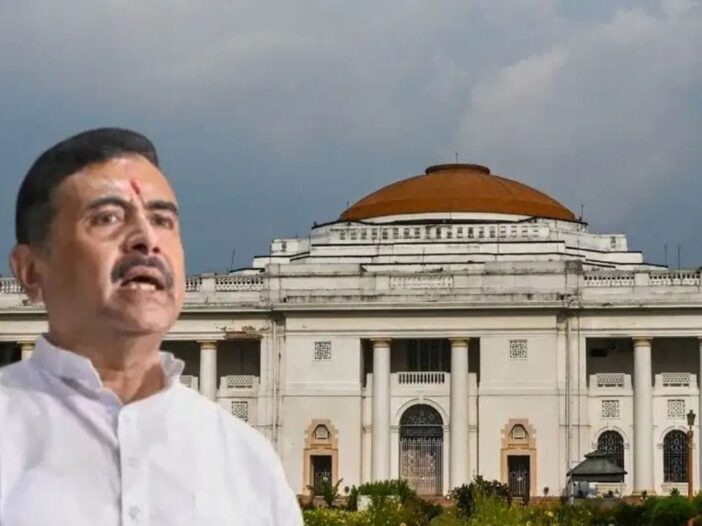
West Bengal Assembly passed three big bills on Monday. The law making changes to the state’s OBC reservation laws, the West Bengal Public Safety and Control of Anti-Social Activities Bill (often called the Anti-Social or Anti-Goonda Bill) and rules for maintaining public order was passed in the Assembly on Monday.
Although the Uniform Civil Code (UCC) Bill was not introduced in the Assembly on Monday, rather Chief Minister Shubhendu Adhikari by Announced the formation of a committee under the chairmanship of former Supreme Court judge Ranjana Prakash Desai. The cabinet will approve the draft bill prepared by this committee on July 2.
Know which bills were passed in the assembly
Changes in OBC reservation: The Assembly approved changes in the Other Backward Classes reservation framework. Made changes in the OBC reservation structure of the state and recreated the OBC category to comply with the recent directions of the Calcutta High Court.
Anti-Social Activities Bill: The West Bengal Public Safety and Control of Anti-Social Activities Bill, 2026, was passed, which provides for rules that will allow people considered to be a threat to public safety to be kept in preventive detention for up to 12 months and will empower district and police officers to issue extradition orders. Supporters say it targets organized crime and repeat offenders.
Changes in maintaining public order: The Assembly also passed changes to strengthen methods of maintaining public order, including rules on recovering the costs of property damage and confiscating the property of those found responsible for organized vandalism or disturbances.
The Anti-Social Activities Bill was passed with an overwhelming majority (reportedly 176 votes in favor, about 41-42 votes against, and some people were unable to vote). According to the report, the bills related to OBC were passed amid the walkout by the opposition and rebel MLAs.
What did Shubhendu Adhikari say about the bill?
Chief Minister Shubhendu Adhikari, speaking in the House, defended the anti-social activities measure to prevent riots, hooliganism and organized violence and said the law is targeted at “goons” and people with repeated criminal records rather than ordinary citizens.
He also argued that existing laws do not have enough power to recover demolition costs and maintain public safety, and assured members that these rules would not be misused for political purposes.
Opposition surrounded the government, raised questions
Opposition parties have criticized the bills, calling them draconian and warning of misuse, while the government said the legislation follows judicial directions (in the case of OBC changes) and fills a gap in law enforcement powers (in the case of anti-social and public-order measures). Some measures (particularly those involving preventive detention or asset attachment) may face legal scrutiny if challenged in court.
Read this also- Will the legal structure of Bengal change due to four big bills of Gunda Daman, OBC and UCC? Will be presented in the assembly tomorrow

Leave a Reply