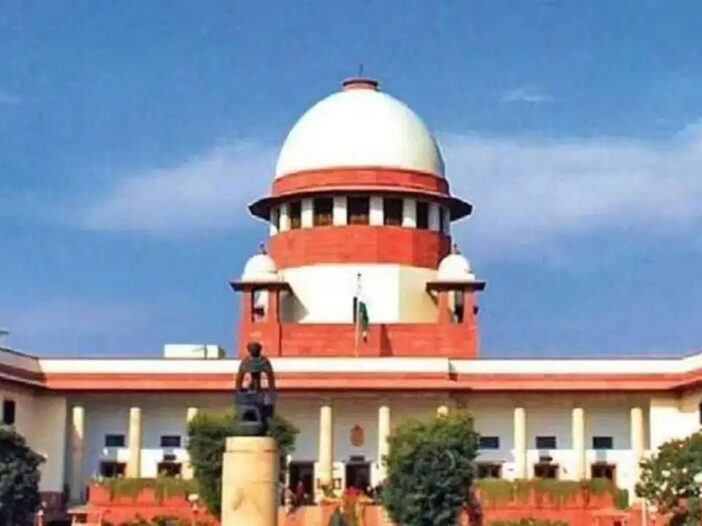
The Supreme Court on Monday said that there are many problems in India’s anti-defection law, but it was made by the lawmakers sitting in Parliament. The bench of Justice PS Narasimha and Justice Alok Aradhe made this comment while hearing the petition of senior advocate Kapil Sibal. Sibal had challenged the existing interpretation of the Tenth Schedule of the Constitution (which includes the anti-defection law).
The Supreme Court said that such issues should ideally be raised within the House itself. The bench said that the purpose of the Tenth Schedule is to regulate the functioning of the MLAs. We are looking at the functioning of the Tenth Schedule. There are many problems in this. But who made it? MPs have made it.
‘This issue may never be resolved’
Sibal, in reply to the bench, said that Members of Parliament (MPs) can sometimes make mistakes like the courts. He said that this issue may never be resolved because it benefits those in power. After this, the court issued a notice to the Central Government on Sibal’s petition, in which issues like merger of political parties were discussed. The Supreme Court said that there are many issues. We will issue notice.
Sibal, who is himself an MP. He has challenged the interpretation of the Tenth Schedule which allows breakaway factions to escape the anti-defection law by taking the route of merger. During the hearing today, the Supreme Court asked Sibal why he filed the petition under Article 32. Sibal replied that a case related to this is already pending in the Supreme Court.
He said that the Goa case. He is listed before a bench of three judges. But apart from that, it has huge implications for our politics. The political party has to take a decision. Please consider this proposal. Please look at the severity of the problem. Election results can be changed. Minority can become majority and majority can become minority.

Leave a Reply