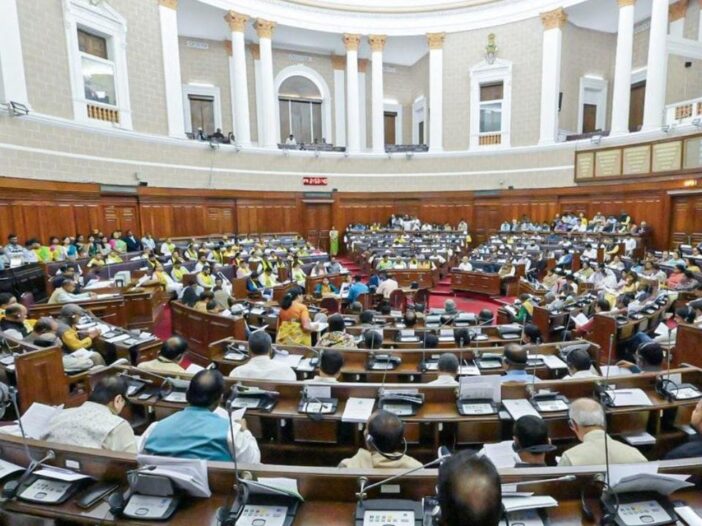
The validity of the new faction formed after division in a political party and the future of its MLAs largely depends on the Speaker of the Assembly. The Tenth Schedule of the Constitution, known as the anti-defection law. In this case, it gives wide and important powers to the speaker.
In case of division in political parties, the role of the Speaker is considered extremely important because his decisions can impact not only the membership of MLAs but also the balance of power within the House and the stability of the government. According to experts, if at least two-thirds of the MLAs of a political party separate and form a new faction, then the Speaker can recognize it as a legitimate faction or new party. In such a situation, the concerned MLA is saved from being disqualified under the anti-defection law. If this group wants to merge with any other political party, then the approval of the Speaker is also required for that.
How is a speaker disqualified?
On the contrary, if the number of rebel MLAs is less than two-thirds, the Speaker can disqualify them under the anti-defection law. The Speaker also has the power to take the final decision on the petitions related to defection filed by the parent party. In this role, they act as a quasi-judicial authority.
Many changes take place in the House when the new group gets recognition.
Once the new faction gets recognition, many changes take place within the House. The Speaker arranges separate seating arrangements for the MLAs of the new faction and recognizes their elected leader as the official leader of the legislative party. Additionally, the new faction is allotted speaking time in proportion to its numerical strength during House proceedings, debates and Question Hour.
Also, if a dispute arises between the original party and the new faction regarding ‘whip’, the Speaker can decide at the initial stage as to which faction’s whip will be recognized for the proceedings of the House.

Leave a Reply