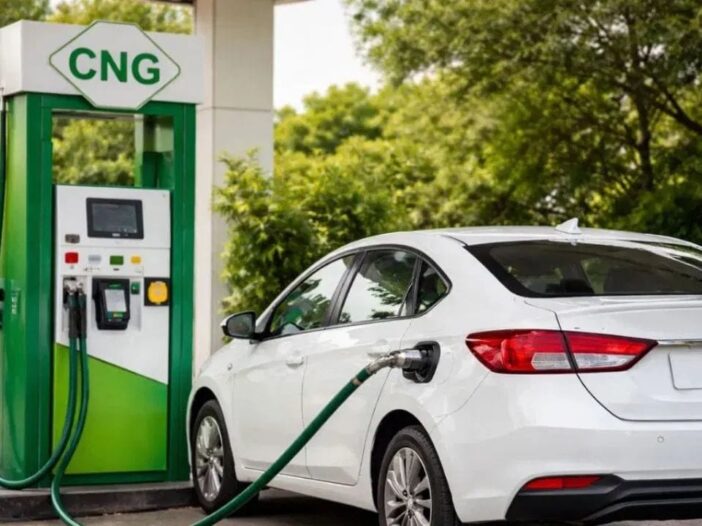
The common man struggling with the rising prices of petrol and diesel does not seem to be getting any relief now. CNG, which till now was known as a cheap and economical fuel, is also continuously becoming expensive. On Tuesday, May 26, consumers got another big shock from the gas distribution companies. The price of CNG in Delhi has been directly increased by Rs 2 per kg. After this latest increase, the new price of CNG in the capital has now reached Rs 83.09 per kg. This is not a minor increase, as this is the fourth time in just 12 days that consumers have been hit directly in the pocket.
throughout the month CNG prices increased for the fourth time
Just before today’s increase, the price of CNG in Delhi was Rs 81.09 per kg. This sharp jump of two rupees has spoiled the month’s budget of everyone from working class to commercial vehicle drivers. If we look at the figures, it becomes clear how rapidly the price graph has gone up in the last few days. Rates have been revised 4 times within a month. Whenever a consumer reaches the gas station to fill his car’s tank, he has to pay a higher bill than before. This continuous increase has increased the concerns of the middle class, which had switched to CNG vehicles instead of petrol-diesel to save daily fuel expenses.
Why is gas continuously becoming expensive?
It is also important to understand the reasons behind these continuously increasing prices. Gas distribution company Indraprastha Gas Limited (IGL) has cited global reasons behind this price increase. According to the company, there has been a huge increase in the cost of natural gas in the international market. Along with this, the strengthening of the US dollar against the Indian rupee in the foreign exchange market has also complicated the situation. When the dollar strengthens, the cost of importing gas also increases. This pressure being created at the international level has had a direct impact on the retail prices of the domestic market. This is why the company is forced to make frequent changes in prices to compensate for its increasing input costs.

Leave a Reply