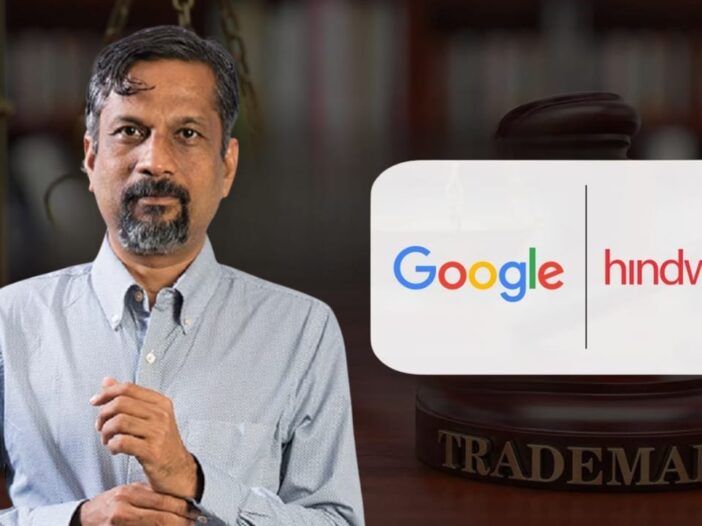
Delhi High Court has given a big blow to Google in the Hindware trademark case. The court said that Google’s arrangement of selling trademarked names as advertising keywords falls within the scope of trademark infringement. After this, Zoho founder Sridhar Vembu and Zerodha CEO Nitin Kamath have also criticized Google. Sridhar Vembu said that what Google was doing was unethical. This decision is considered important for matters related to digital advertising and brand safety in India.
Vembu and Kamath targeted Google
After the Delhi High Court’s decision, Zoho founder Sridhar Vembu called Google’s advertising policy unethical. He wrote on social media platform X that he agreed with Nitin Kamath and what Google was doing was completely wrong. Vembu said that Google should be held accountable for such business activities. Zerodha CEO Nitin Kamath also said that companies have been facing this problem for many years. According to him, when a person searches for a brand, he first sees advertisements from competing companies, which causes harm to the original brand.
What is the whole matter?
If the whole matter is related to Hindware case and is more than a decade old. Hindware had moved the court after it learned that competing companies Cera and Grohe were allegedly buying the name “Hindware” as a Google advertising keyword. This caused customers searching for hindware to see ads for competing brands above. The court acknowledged that this harmed Hindware’s traffic and brand value. Justice Mini Pushkarna said that even if the trademark does not appear in the advertisement, using it as a keyword will also be considered use in the advertisement. The court also said that “Hindware” is not a generic word but a specific and registered trademark.
Fine on Google, digital advertising will be affected
The court has permanently barred Google from using “Hindware” and similar words as advertising keywords. The company was also ordered to pay compensation of Rs 30 lakh. Google had argued that keywords are only backend tools and should not be considered trademark use, but the court rejected this argument. The court said that keywords trigger advertisements and influence search results, hence they have commercial importance. The court also held that Google was not an impartial arbitrator simply because it was making economic profits from the arrangement. It is believed that this decision can become an example for many cases of digital advertising and trademark disputes in future.

Leave a Reply