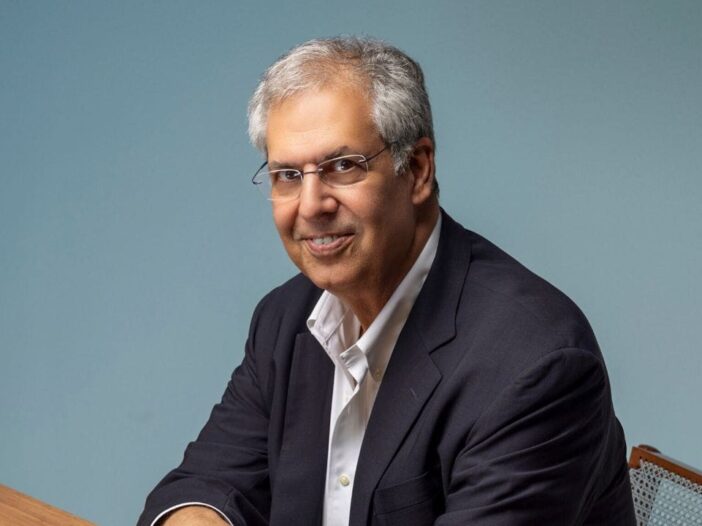
A big news has come out from Tata Group. Almost a week after leaving the post of chairman of Trent, Noel Tata on Tuesday announced his resignation from the post of chairman of Voltas, another Tata group company.
Noel Tata has made this announcement during the company’s 72nd AGM meeting. Addressing the shareholders in the company’s general meeting, Noel Tata said that this will be his last AGM as Chairman of Voltas. Noel Tata said, as you may know, this is my last annual general meeting as chairman.
Have full confidence in the current team
Noel Tata said during the AGM that the company has built its team through internal promotions and external appointments and expressed confidence in the management’s ability to drive rapid growth in the future. Noel Tata said that I have full confidence in the ability of this team. Noel Tata joined the board of directors of Voltas on January 27, 2003. He was appointed non-executive chairman of Voltas on September 1, 2017. He had replaced Ishaat Hussain.
Trent had left the post of chairman only last week.
Earlier, Noel Tata had made a similar announcement while addressing the shareholders of India’s leading fashion and lifestyle retailer company Trent on June 23. Noel Tata is also the chairman of Tata Trusts, the largest shareholder of Tata Sons. He will turn 70 in November this year. Under the Companies Act 2013, no managing director or whole-time director can be appointed or hold the post if he is 70 years of age or older.
Changed company power structure after Ratan Tata
The current era within the Tata Group began after the departure of Ratan Tata. Soon after, Ratan’s half-brother Noel Tata took over as chairman of Tata Trusts. These trusts together own about 66 percent shares of Tata Sons, while construction and infrastructure major SP Group holds 18.4 percent shares of the company. In the absence of Ratan Tata, many important decisions which were earlier taken by consensus, now started being taken through formal discussions among the trustees. Around the same time, Tata Trusts implemented a system under which the performance of nominee directors above 75 years of age would be reviewed annually. This laid the foundation for the first major differences within the system of trusts.

Leave a Reply