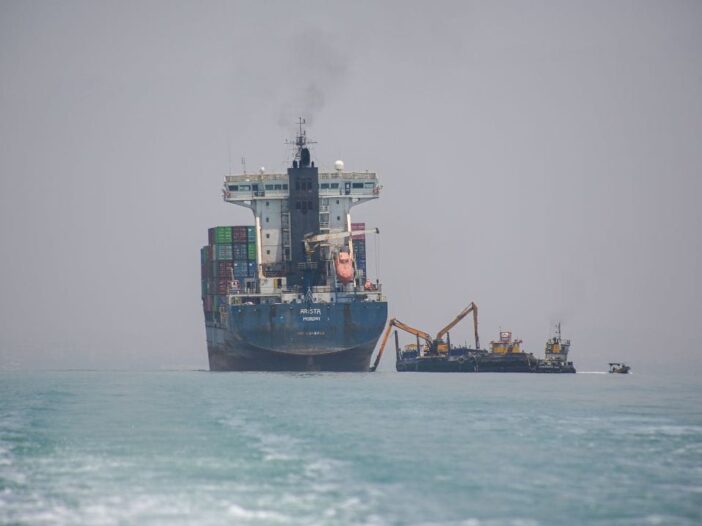
After the US attacks, the Strait of Hormuz has once again become a center of global concern. Security has been increased on this important sea route and it is feared that if traffic here is affected, it could have a major impact on the world’s oil business. However, the biggest question is that if the Strait of Hormuz is closed even for some time, which country will suffer the most? At first glance people take the name of Iran, but oil export figures tell a different story.
According to Kpler’s data for the month of June, Saudi Arabia and United Arab Emirates (UAE) are at the forefront among the countries sending the most oil through Hormuz. In such a situation, if this sea route is disrupted, then the oil supply and earnings of billions of dollars of these two countries can have the biggest impact. At the same time, the possibility of rising crude oil prices in the global market and deepening of the energy crisis will also increase. If tension increases in the Strait of Hormuz or the movement of ships there is affected, then the biggest impact may be on the oil exporting Gulf countries.
How much oil was supplied?
Saudi Arabia supplies about 45 lakh barrels of oil every day, while the United Arab Emirates (UAE) exports about 38 lakh barrels of oil per day. At the same time, Iran’s daily oil export is about 10 lakh barrels. Apart from this, Kuwait and Iraq also export about 5 lakh barrels of oil every day. In such a situation, any kind of obstruction in this sea route can have a big impact on the economy of these countries as well as on the global oil market and supply chain.
What impact will it have on the world?
It is clear from these figures that Saudi Arabia and UAE are most dependent on the Strait of Hormuz. A large part of the oil exports of these countries reaches the world markets through this route. If this route is closed or the movement of ships slows down, then the supply of these countries will be affected first. Hormuz is one of the world’s busiest oil trade routes. It plays an important role in delivering Gulf oil to Asia, Europe and other countries. If tensions increase here, the movement of ships may become expensive and slow. This will have a direct impact on the prices of crude oil, the burden of which may ultimately have to be borne by oil importing countries and common consumers.

Leave a Reply