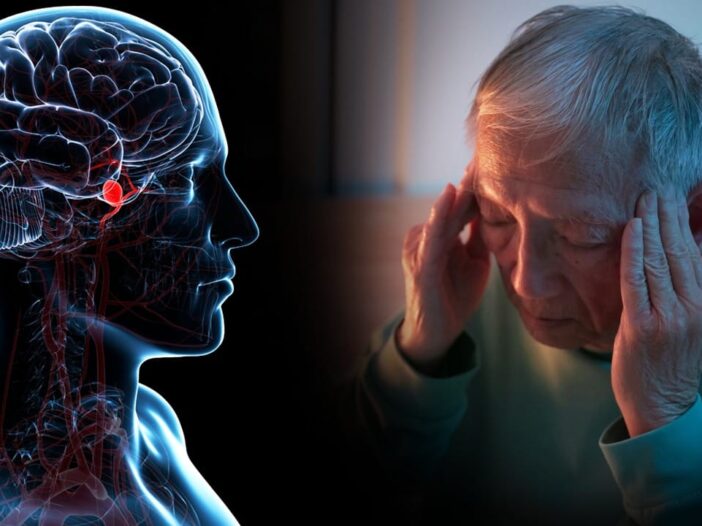
When the walls of the veins in the brain become weak and swell like a balloon, it is called brain aneurysm. It can remain like this for many years, but if it bursts, bleeding starts in the brain. This is a very dangerous form of stroke and can even kill. Therefore, it is very important to identify it early and get it treated. Dr. KK Jindal (Director, Neurology, CK Birla Hospital, Delhi) says that most people do not even know that they have this disease, because initially there are no specific symptoms.
That is why it is also called silent killer. But if it grows larger and starts putting pressure on the surrounding nerves, then some symptoms start appearing. Know its symptoms from experts and what can be done for prevention.
If the aneurysm has not burst, these symptoms may appear-
persistent pain on one side of the head
pain behind or above the eye
blurred or double vision
drooping eyelid
Numbness or weakness on one side of the face
enlargement of eye pupil
If an aneurysm bursts, go to a doctor immediately
Rupture of a brain aneurysm is a life-threatening medical emergency. Do not take its symptoms lightly at all.
Sudden severe headache, which has never happened in my life
nausea or vomiting
stiff neck
problem with bright light
Confusion, fainting or loss of consciousness
seizures
Weakness in any part of the body or difficulty in speaking. In such a situation every moment is precious. If there is a delay, there may be permanent damage to the brain or even danger to life.
Who are at greater risk?
high blood pressure patients
people who smoke cigarettes
those who drink too much alcohol
Who has someone in the family who has had a brain aneurysm before?
People with polycystic kidney disease or certain congenital diseases
Women above 40 years of age
How is it diagnosed and treated?
To detect brain aneurysm, tests like CT Scan, CT Angiography (CTA), MR Angiography (MRA) or Digital Subtraction Angiography (DSA) are done. Treatment depends on the size, location and risk of rupture of the aneurysm. For this, new techniques like microsurgical clipping, endovascular coiling or flow-diverter are used.
Can it be stopped?
Not every brain aneurysm can be prevented, but the risk of its bursting can definitely be reduced.
Keep blood pressure under control.
Stop smoking cigarettes completely.
Reduce alcohol consumption.
Eat good food and exercise daily.
If someone in the family has this disease, then keep getting checked from time to time as per the advice of the doctor.

Leave a Reply