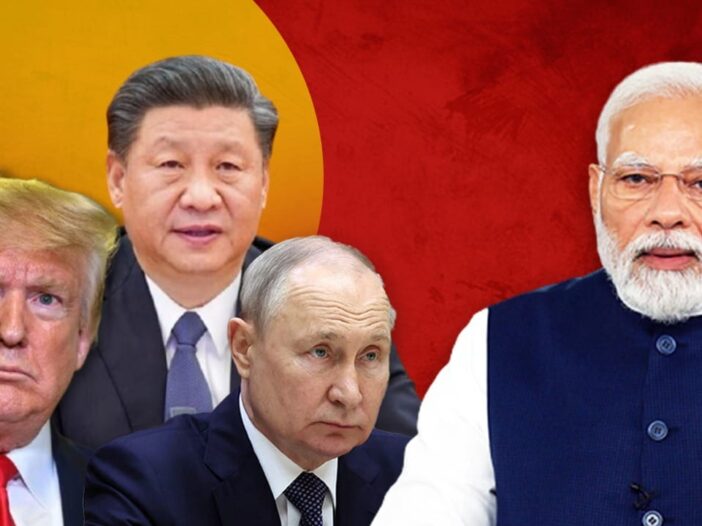
The US Senate has introduced a new version of the bill imposing sanctions on Russia. In this, the threat of proposed tariffs (import duties) on countries like India and China to buy Russian oil and gas has been reduced. The purpose of this new law, supported by lawmakers from both the Republican and Democratic parties, is to increase pressure on Moscow by targeting Russian officials, financial institutions and energy projects. Also, the tariff is used to motivate large buyers of Russian energy to reduce their dependence on Russia.
According to Reuters, in the new bill the maximum tariff that can be imposed on large buyers of Russian oil and natural gas has been reduced to 100 percent. In the earlier proposal, it was said that tariff would be imposed up to 500 percent. This bill was originally put forward by the late Senator Lindsey Graham. He had announced during his visit to Ukraine that he had agreed with US President Donald Trump to take this law forward. Graham died suddenly on Saturday.
India and China are big buyers of Russian oil
According to Senate aides, the new proposal targets the five largest buyers of Russian crude, including China, India, Slovakia, Hungary and Azerbaijan. China, France, Japan, Hungary and Belgium are among the largest importers of Russian natural gas. This law has also given exemption to some countries which import less than 15 percent of Russia’s natural gas exports and are taking steps to reduce this supply. Countries like Japan, France, Hungary and Belgium can benefit from this provision.
Long list of sanctions on Russia
In addition to tariffs, the bill proposes to impose sanctions on Russia’s so-called ‘shadow fleets’, which operate outside the scope of Western maritime services. Additionally, there is a proposal to impose sanctions on Russian financial institutions, including the Central Bank of Russia. The bill also targets large government energy projects such as the Yamal LNG and Arctic LNG projects.
The bill may get support
The new bill includes a provision that allows Trump to waive sanctions if he believes doing so is beneficial to US national interests. Senate aides said the legislation has 26 co-sponsors and they are confident more lawmakers can support it. The bill is expected to move forward after months of negotiations between senators and the White House to gain broad support.

Leave a Reply