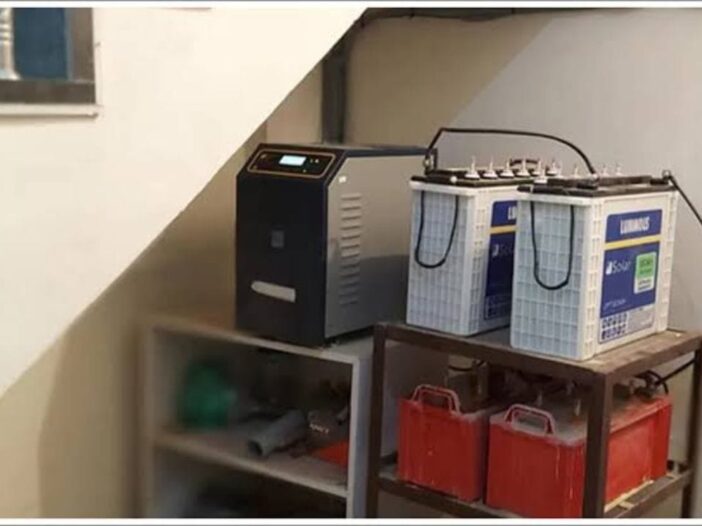
While on one hand the monsoon season brings relief from the heat, on the other hand it also increases many problems for the inverter and its battery. At this time, there is more moisture in the air and power cuts are also often seen, which puts additional pressure on the inverter. In such a situation, if proper care is not taken, the battery backup may reduce and problems like short circuit or sparking may also occur.
Inverter should not be kept stuck to the wall
during monsoon inverter To keep it safe, the most important thing is to keep it at the right place. The inverter and battery should be kept in a place where it is not affected by water, moisture or dampness. Always keep the battery in a dry and ventilated place and it is better to keep it at a slight elevation rather than directly on the ground. Also, the inverter should not be kept stuck to the wall, so that proper air flow is maintained around it and the heat can easily escape.
The water level of the battery should be checked
Apart from this, regular checking of the battery is also very important. The water level of the battery should be checked every 45 to 60 days. If the electrolyte level decreases then only distilled water should be added to it. tap water or RO Water should not be used, because the minerals present in it can damage the battery. At the same time, there is a risk of acid leakage by filling more water than required, which can damage the battery.
One should avoid using wet cloth
Due to moisture in monsoon, rust or white-green layer accumulation on the terminals of the battery is a common problem. If it appears like this then it should not be ignored. It is important to get the terminals cleaned by a technician in time. Along with this, the outer surface of the inverter should also be cleaned with a dry and clean cloth from time to time. One should avoid using wet cloth, as it can increase moisture.
One should avoid putting excessive load on the inverter.
Apart from this, one should also avoid putting excessive load on the inverter in this season. Due to frequent power cuts, people run more appliances than the inverter, due to which the battery gets discharged quickly. Especially heavy power consuming appliances like air conditioner, heater, geyser and microwave should not be run on inverter. This not only affects the capacity of the battery but also reduces its life. By taking proper care and precautions, you can keep your inverter running safely and better for a longer time during monsoon.
Also read- Vivo Y500 launched with 8100mAh battery and 50MP camera, know price and features
Transfer photos, contacts and chats from iPhone to Android in minutes

Leave a Reply