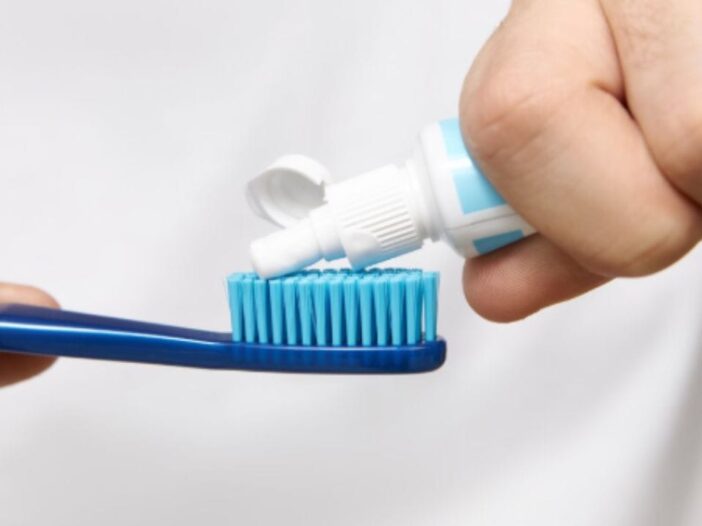
All brands make tall claims regarding the quality of toothpaste. Many of us often trust those claims and buy those toothpaste pastes. Meanwhile, a report has come out regarding the quality of toothpaste sold in Bangladesh, which has raised serious concerns. Microplastics have been found in toothpaste in a study conducted by the Environment and Social Development Organization (ESDO). Due to which the health of millions of people can be affected.
According to ESDO report, microplastics i.e. very small plastic particles were found in 26 out of 4 toothpaste samples sold in Bangladesh. This figure is 76.5 percent of the total sample. Due to which concerns have increased regarding the possible threat to people’s health and the environment.
Microplastics found in 26 out of 34 toothpaste samples
According to the report, microplastics were found in 26 out of 34 toothpaste samples. This figure is 76.5 percent of the total sample. The study was conducted by ESDO between July 2025 and June 2026. It included 34 samples of 19 major brands manufactured in Bangladesh, India, Thailand and Vietnam. Samples were collected from retail shops, supermarkets and wholesale markets and tested at the Laboratory of Environmental Health and Ecotoxicology of Jahangirnagar University.
According to the report, the amount of microplastic in toothpaste was found to be 20 to 320 particles per 100 grams. ESDO researchers say that toothpaste should not contain microplastics. While local and foreign brands, children’s pastes were also hit, microplastics were found in 22 out of 25 locally made products.
1 in 5 in India, 1 in 2 in Thailand
Apart from Bangladesh, if we talk about other countries, 1 out of 5 samples from India, 1 out of 2 samples from Thailand and both from Vietnam have also been found to contain microplastics. Not only this, microplastic was also found in 4 toothpastes of the 6 children included in the study. Microplastics have been found in Kodomo Ultra Shield Formula Strawberry, Meril Baby Strawberry, Meril Baby Orange and Pepsodent Kids Orange for children.
In which toothpaste was it found the most?
ESDO researchers say that toothpaste should not contain any type of microplastic. In the report, researchers said that 20 to 320 microplastic particles were present in these toothpastes per 100 grams. In the investigation, maximum 320 microplastic particles per 100 grams were found in Mediplus Fluoride Gel. Whereas in Close-up Red Hot and Close-up Menthol Fresh, 160-160 particles were found. 140 particles were found in Kodomo Ultra Shield Formula, 120 in Signal Green Tea, while 100-100 particles were found in Pepsodent Advanced Salt and Himalaya Complete Care. 80 particles found in Sensadine Fresh Mint.
Microplastic not found in eight samples
However, microplastics were not found in the eight samples tested. These include products like ZenFresh, Parachute Just for Baby Mango and CloseUp Red-Hot Zinc Fresh Technology.
Health threat from microplastics
Evidence shows that microplastics can affect respiration, digestion, immunity, heart and nervous system, potentially leading to inflammation, organ damage, hormonal imbalance, reduced fertility and effects on fetal development.
what is microplastic
Microplastics are small pieces of plastic less than five millimeters in length that are made from decaying garbage, artificial clothes and artificial pearls. These pollute air, water and soil and can also enter the bodies of animals and humans. These can have serious effects on health.

Leave a Reply