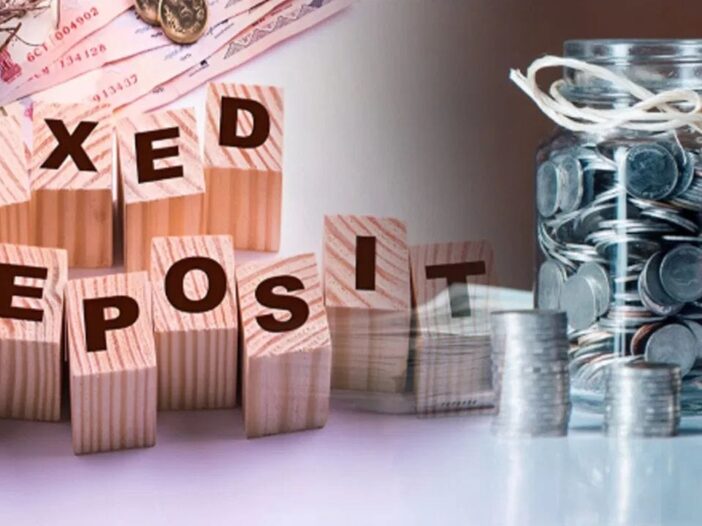
Fixed Deposit (FD) is considered to be the safest and most reliable method of investment among Indians. Keeping in mind the convenience of the customers, banks provide the facility of ‘auto-renewal’. In this, after maturity, your money is automatically deposited in a new FD. As easy and beneficial as this facility may seem, it actually has some hidden risks. If you choose this option without thinking, you may have to compromise on better returns. Not only this, in case of sudden need of money, you may also have to pay penalty.
How can there be loss in the name of convenience?
When the tenure of your FD is completed, the bank creates a new FD by adding the interest received along with the principal amount without asking you. This is where the real game begins. The new FD is always made at the interest rates of the same day on which the old FD matures. Suppose, earlier you were getting 7.5 percent interest, but currently the rates have come down to 6.5 percent. In such a situation, your money will be locked again at a lower interest rate. Additionally, once the money is locked, if you have to break it midway, you will have to pay pre-mature withdrawal charges. The biggest disadvantage is that you miss out on better interest offers from other banks present in the market.
Why do people choose the path of set and forget?
Despite all these risks, this facility is quite popular. This is called ‘set and forget’ strategy i.e. invest once and then forget. The biggest reason for this is freedom from the hustle and bustle. Investors get rid of the hassle of repeatedly visiting the bank or renewing through internet banking. Another big advantage of this is that your money does not remain idle for even a single day. If the money remains in the savings account, then very nominal interest is earned on it. Whereas in auto-renewal there is a direct benefit of compounding. Your previous interest also starts earning by becoming a part of the principal amount. Due to this, financial discipline is maintained and the accumulated capital is saved from unnecessary expenditure.
What is the best decision for you?
Now the biggest question is what should an investor do? Financial experts believe that the answer completely depends on your financial needs. If you do not need money in the near future, then this facility is best for you.
But, if interest rates are increasing in the market, then it is important to be a little cautious. In such a situation, manual renewal is a more sensible step. Apart from this, if you have planned any big expenditure or you want to get better interest by opening an account in another bank, then decide the duration and amount of FD yourself.

Leave a Reply