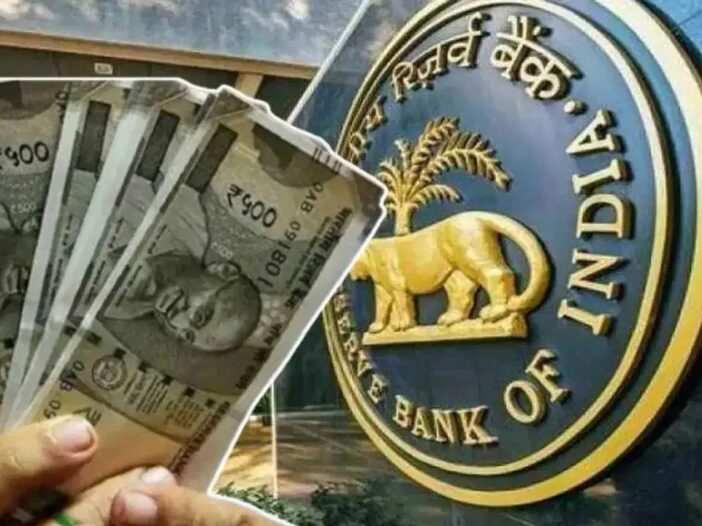
The Reserve Bank of India (RBI) said that it will conduct a two-day Variable Repo Rate (VRR) auction of Rs 50,000 crore from today, June 3. Variable repo rate auction is a monetary policy initiative of RBI used to inject short-term liquidity into banks. Unlike the fixed repo rate, the interest rate in VRR is determined through an auction process, allowing banks to bid for the amount. The auction will take place between 9:30 am and 10 am and the withdrawal of funds will take place on June 5.
RBI said in a statement that after reviewing the current and changing cash scenario, it has been decided to hold the variable repo rate auction on Wednesday, June 3, 2026. At present, the cash surplus in banks as of June 1 is estimated to be around Rs 85,411.44 crore. This is less than the surplus of Rs 1.40 lakh crore as on May 31. Despite low surplus cash in banks, the VRR auction conducted by the RBI on Tuesday saw moderate demand from banks. In the three-day VRR auction, the central bank received bids worth Rs 17,445 crore against the notified amount of Rs 75,000 crore. The apex bank accepted all the bids and injected temporary liquidity of Rs 17,445 crore into the banking system at the cut-off and weighted average rate of 5.26 per cent.
What is Variable Repo Rate (VRR)?
Variable Repo Rate (VRR) is a monetary policy tool used by RBI to manage liquidity in the banking system. Unlike the fixed repo rate, which is decided in advance by the RBI, the VRR is decided through a market-based auction. This means that banks bid for funds, and the rate is determined based on demand and supply.
VRR is used for a longer period of time, usually 2 to 14 days or more. It is designed to give banks more flexibility in borrowing funds, while also ensuring that interest rates are in line with current economic conditions. RBI uses VRR to balance liquidity and stabilize inflation, which ensures economic growth.
Role of variable repo rate in monetary policy
VRR plays an important role in monetary policy by helping to regulate liquidity. When inflation is high, RBI uses VRR auction to withdraw additional funds from banks. This helps in controlling inflation by reducing the extra money in circulation. Similarly, when there is a liquidity crunch, the RBI may reduce the VRR or increase the frequency of auctions to inject more funds into the banking system. This ensures that banks can continue to provide loans to businesses and people.
By adjusting the VRR, RBI helps to stabilize the financial markets and maintain consistent economic growth. What is repo rate? This is the rate at which banks borrow money from RBI for their short-term needs. VRR complements the repo rate by providing a flexible option depending on market conditions.

Leave a Reply