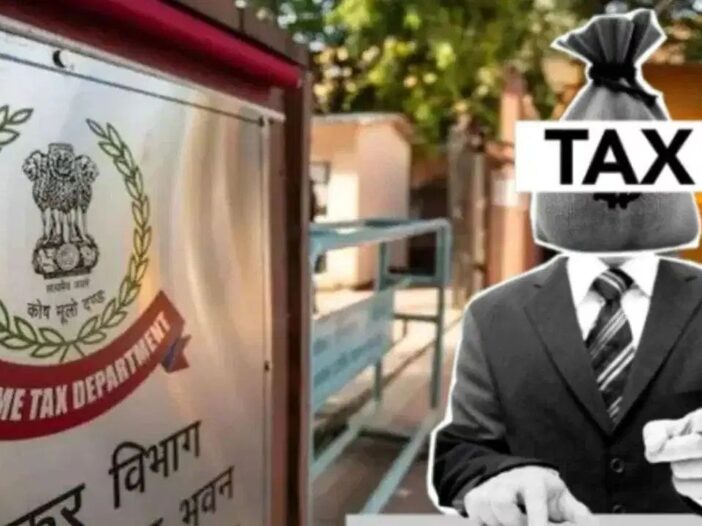
Have you recently sold a property, earned good interest on a bank FD or invested money in crypto? If yes, then your TDS must have been deducted. Often people think that tax has been deducted, meaning the government has got its share and now they do not need to do anything. But this is a big misunderstanding.
Deduction of TDS does not mean that you are exempted from filing Income Tax Return (ITR). In fact, it becomes even more important to file ITR after TDS is deducted, so that you can give correct account of the money deducted or get your refund. The last date for filing returns for assessment year 2026-27 was 31 July 2026. If you have missed this date, then you must know its rules and disadvantages.
Paying tax is not enough, ITR is also necessary
Many people feel that their share of tax has already been deducted, so why file the return now? Puneet Aggarwal, founder of KoinX, explains that paying tax and filing returns are completely different responsibilities under the Income Tax Act. Just by deducting tax, the Income Tax Department does not create a definitive record of your income.
Unless you file ITR, your TDS, your actual income and your investments do not match correctly. This is the reason why the department does not give any importance to paying tax without filing returns. In such a situation, the system can automatically send a tax notice if there is no match.
You may be hit with a penalty
If your total annual income is less than Rs 2.5 lakh, you can ask for a refund of your deducted TDS. But you will get this money only when you file the return. If you do not do this, the department may not take any action against you, but you are leaving your own money with the government.
At the same time, if tax is payable on you and you have neither paid tax nor filed ITR, then the department can take legal action by sending you a notice. According to tax expert Karan Sachdev, even if you have paid all the tax, but if you file the return (billed return) after the deadline, you will have to pay late fees. If the income is more than Rs 5 lakh, the fine can be up to Rs 5,000. Apart from this, separate penalty may also be imposed for reporting less income.
Double blow for crypto investors
For those who invest money in digital assets or crypto, not filing returns can be very costly. The biggest disadvantage of not filing ITR on time is that you lose the right to adjust your losses from next year’s profits.
Anyway, the rules of crypto are quite strict. Even if your total income is less than Rs 2.5 lakh, but that income is from crypto, you will still have to pay 30 percent direct tax on it. In this case, unlike ordinary taxpayers, there is no benefit of basic exemption. Since crypto exchanges already give all your information to the tax department, if you do not file the return, you are at the highest risk of getting a notice.

Leave a Reply