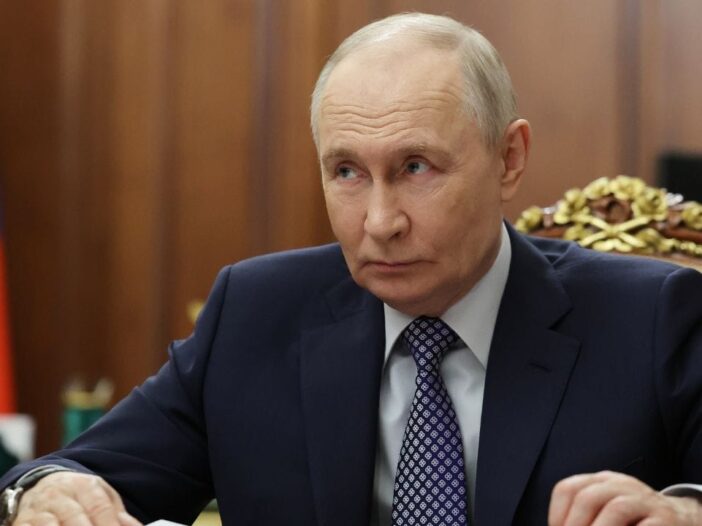
Putin has taken a big decision amid the declining refinery production and changing situation in the energy network of the Russian administration. In an effort to preserve domestic reserves, the export of aviation fuel has been banned till November 30. Outlining the strategy in a statement issued on Monday, the Kremlin indicated that this temporary trade ban is designed to maintain balance in the domestic fuel sector.
The government said, the objective of this decision is to ensure stability in the domestic fuel market. The policy was implemented after reports indicated that Moscow was considering possible export restrictions on diesel and jet fuel. The views emerged after refining operations rates fell to multi-year lows following recent drone and missile attacks targeting Russian energy facilities.
Russia’s energy infrastructure targeted
In recent months, Russia’s energy infrastructure, including oil processing refineries and inter-country pipeline networks, has been the target of a military campaign by Kiev. These airstrikes have strained Russia’s energy capabilities, leading to measures aimed at securing domestic supplies, especially at a time when the country faces seasonal consumption increases.
Will not affect fuel dispatch
Russia is one of the leading global exporters of petroleum products, traditionally sending a large portion of its diesel and aviation fuel production to international buyers. The Administration clarified that the recently implemented export suspension will not affect fuel dispatch under pre-existing intergovernmental treaties.
Missile and drone bombing
Moscow, recognized globally as a major oil and gas power, had already imposed limits on exports of automobile fuel as market pressures mounted during the ongoing conflict with Ukraine. Meanwhile, Kiev has stepped up its strategic operations against Russian energy targets over the past few weeks, even as it faces daily missile and drone bombardments.

Leave a Reply