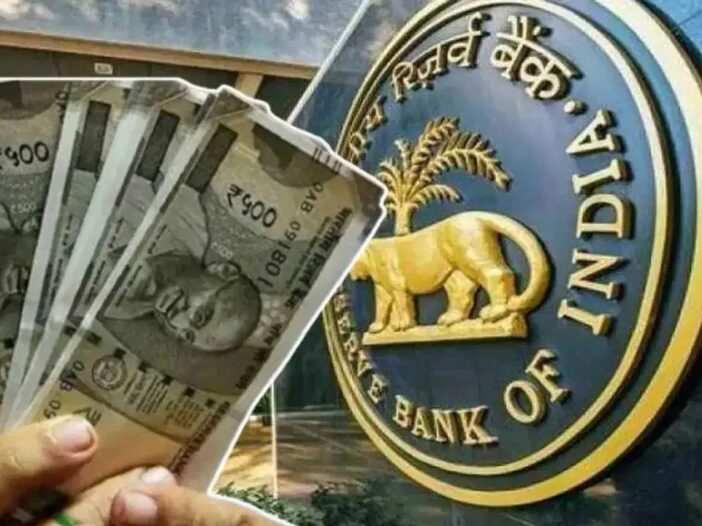
In the growing era of digital payments, the Reserve Bank of India (RBI) is going to take a big step to prevent online fraud. RBI has proposed that if a customer makes an online transfer of more than ₹10,000, it may take a cooling-off period of one hour to complete the payment. The country’s banking industry has supported this security step of RBI, but has also expressed concern about the convenience of the general public and technical problems. Banks believe that this rule will curb fraud, but common people may have to face problems in everyday transactions.
Online transfer of more than ₹10,000 will take one hour
The RBI, in a discussion paper released in April, had suggested that whenever an individual customer, proprietor or partnership firm initiates a digital payment of more than ₹10,000, a pause of one hour should be given before the transaction is completed. This delay will apply only at the payer level. The main objective of this rule is to prevent those cases where fraudsters get people transferred immediately by scaring or cajoling them, which in technical language is called ‘Authorized Push Payment’ (APP) fraud.
Banks say that this delay of one hour will give customers a chance to think and be careful whether they are sending money to the right place or not. However, banking giants have also made it clear that it should not be implemented blindly on all types of transactions. For example, if a customer is buying a mobile phone costing more than ₹10,000, he would not want to wait for an hour at the store for the payment to be cleared. Therefore, it is very important to have flexibility in this rule.
‘Trusted person’ necessary for transactions with the elderly
RBI has proposed another special arrangement to keep the money of elderly and disabled people safe. It has been said that the approval of a ‘trusted person’ will be required for digital transactions of more than ₹ 50,000 done by senior citizens above 70 years of age and persons with disabilities. Under this rule, a trusted person pre-determined by the elders will have to give their additional approval before completing the payment. If this trusted person is changed, a mandatory 24-hour cooling-off period will apply to avoid any potential fraud.
Banks have appreciated this humane and protective thinking, but have seen major challenges in implementing it on a practical level. Banks argue that if an elderly person is making an emergency payment in a hospital or diagnostic center and his nominee (son or daughter) is not available at that time for some reason, then the actual and necessary payment may also get delayed, which can cause distress to anyone.
Banks faced the challenge of huge expenses
To make this new security mechanism a reality, banks will have to make major changes to their existing digital payment infrastructure. Banks will have to create new transaction queues (queues), allow for cancellation of transactions during the cooling-off window and recode the entire settlement process. According to banking officials, implementing these arrangements will entail huge costs.
This concern becomes more serious when banks are already facing financial pressure due to zero-merchant discount rate (MDR) on UPI. Banks are not allowed to charge merchants any fees for UPI transactions. Maintaining and expanding the digital payments ecosystem requires a huge investment of about ₹10,000 crore annually, the bulk of which is currently borne by the banks and payment service providers themselves.
India’s digital payments ecosystem is unique in the world in terms of its speed and scale. RBI has prepared this proposal after looking at the global experiences of countries like Britain, Singapore, Sweden, America and Ireland. But Indian banks say that these rules should be finalized keeping in mind the ground reality of India. At present, RBI has sought opinion from all the parties on this and banks are hoping that in the final guidelines, there will be a complete balance between digital security as well as convenience of common customers.

Leave a Reply