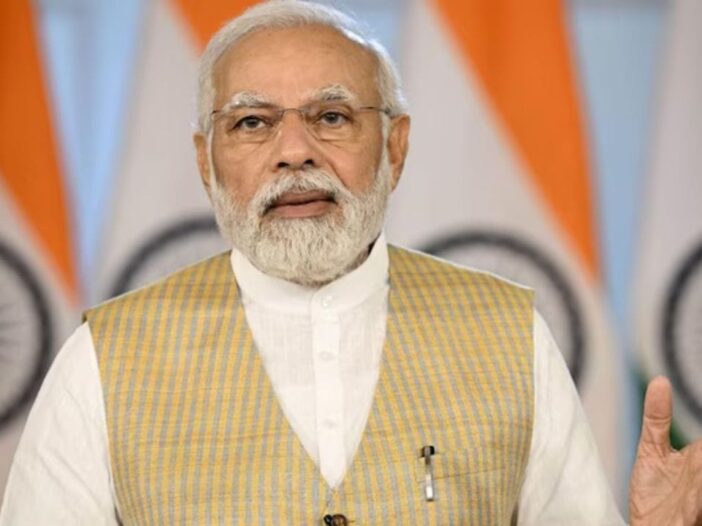
In the Prime Minister’s Developed India 2047 vision, FTA (Free Trade Agreement) has been made the main basis of India’s trade and economic development strategy. Developed countries have promoted trade, manufacturing and investment through FTAs. Countries like China, US, Europe, South Korea, Japan, Singapore and Vietnam have used FTAs to accelerate exports and economic growth.
The government says that before 2014, most of India’s FTAs were with relatively smaller economies, such as ASEAN, SAARC, Bhutan and Sri Lanka. The government claims that earlier FTAs were made without adequate stakeholder consultation.
The government also argues that the RCEP negotiations during the UPA government could have opened the Indian market to Chinese goods.
According to the government, pre-2014 FTAs covered economies with a combined GDP of about US$10 trillion, while post-2014 FTAs covered economies with a combined GDP of about US$60 trillion.
India’s FTA travel after 2022
India has pursued fair, balanced and equitable FTAs with major economies such as the US, UK, Europe, Australia and the Middle East. According to the government, extensive consultations were held with the industry and exporters before finalizing the agreements. Through the FTA, investment commitments of approximately US$ 100 billion have been received from EFTA and approximately US$ 20 billion from New Zealand. These agreements have opened up new opportunities for service export and resolved issues like taxation, social security and student mobility. Strong Rules of Origin have been included to prevent dumping of goods through third countries. Special attention has been given to paperless trade and digital trade facility. The government says that the interests of farmers, fishermen, MSMEs and workers have been protected.
Strong security measures for farmers
- No duty concession has been given on many sensitive agricultural products.
- Dairy products like butter, cheese, mozzarella, paneer and butter oil have been protected.
- Many vegetables like potatoes, beans and seasonal vegetables have been left out of the agreement.
- Poultry, fish products and some meat products, including bovine meat, are protected’.
- Major food grains like wheat, rice, maize, barley, oats and millets have been excluded.
- Mustard, sesame and related crops have been given protection.
- Soymeal and some animal feed products are also excluded.
- Common spices like black pepper, dry ginger, cinnamon, coriander, cumin, asafoetida, celery, fenugreek and mustard have been kept out of duty concessions.
Steps to make better use of the new FTA
Whole-of-Government Approach has been adopted with the participation of the Central Government, State Governments and Indian Missions abroad. A public awareness campaign will be conducted on digital portals and at the district level. Export Promotion Mission will be started for better utilization of FTA. Brand promotion and networking with global buyers and importers will be promoted. Along with this, assistance will be provided for international exhibitions, trade delegations and warehousing. Assistance will be provided in compliance and product registration in foreign markets and a dedicated cell has been created in Vanijya Bhawan to coordinate with Parliamentarians, Export Promotion Councils (EPCs), industry organizations and exporters.
Major benefits of FTA
- Better market access for Indian exporters.
- Reduction in Non-Tariff Barriers.
- Improvement in Trade Facilitation.
- Increase in foreign direct investment (FDI).
- Better integration into global value chains.
- Promote technology transfer and innovation.
- More employment and increased income through increased exports.
- The government aims to grow India’s economy from US$4 trillion to US$30 trillion by 2047.
Export opportunities through FTA
There are many opportunities for export through FTA. FTA is likely to reduce import duties in partner countries, which will make Indian exports more competitive. Labour-intensive industries, manufacturing, agriculture, marine products and service sectors are expected to benefit the most from this.
high potential areas
- Textiles & Apparel: 0% duty on all products; Global market size US$350 billion.Leather & Footwear:
- 0% fee on most products; Market size US$78 billion.
- Gems & Jewellery: 0% duty on all products; Market size US$442 billion.
- Engineering, Electronics, Chemicals & Pharma: 0% duty on most products; Market size US$5 trillion.
- Agricultural and marine products: 0% duty on many products; Market size US$631 billion.
Which state benefits what?
Andhra Pradesh
Major sectors: Marine products, chemicals, pharmaceuticals, electronics.
Commodities: Increase in exports of shrimp and sea food products, pharmaceuticals and electronics.
Services: Financial Services, Engineering Services, IT & ITES, Real Estate, Maritime Services, Research & Development (R&D).
Assam
Major Sectors: Tea, spices, furniture, handicrafts, chemicals, pharmaceuticals, minerals.
Commodities: Assam tea, spices, bamboo based furniture, handicrafts and specialty pharmaceutical products.
Commodities: Transport, IT & ITES, Eco-tourism.
Odisha
Major sectors: Marine products, handicrafts, electronics, minerals, basic metals.
Commodities: Sea food, handicrafts and electronics manufacturing.
Services: Transportation, Environmental Services, Eco-Tourism, Real Estate, Professional Services, IT.
Punjab
Major Sectors: Textiles, Apparel, Sports Goods, Engineering Products, Agriculture.
Commodities: Apparel, knitwear, sporting goods, light engineering products.
Services: Real estate, professional services, education and training.
west bengal
Major sectors: Tea, marine products, handicrafts.
Commodities: Darjeeling tea, sea food, agricultural products and handicrafts.
Services: IT & ITES, Engineering Design.
Maharashtra
Major Sectors: Textiles, Engineering, Pharma, Chemicals, Medical Devices, Automobiles, Basic Metals, Electronics, Gems & Jewellery.
Commodities: Apparel, Engineering Products, Electronics, Medical Devices, Pharmaceuticals and Jewellery.
Services: Financial Services, IT & ITES, Global Capability Centers (GCCs), Consulting, Maritime Services, Professional Services.
Gujarat
Major Sectors: Textiles, Chemicals, Engineering, Pharma, Electronics, Gems & Jewellery, Marine Products.
Commodities: Textiles, chemicals, engineering products, electronics, diamonds and marine products.
Services: GIFT City Financial services, tourism, business and professional services, transportation.
Tamil Nadu and Puducherry
Major Sectors: Textiles, leather, footwear, engineering, electronics, plastics, rubber.
Commodities: Apparel, leather, footwear, engineering products and electronics.
Services: IT & ITES, Financial Services, Engineering Design, Automotive R&D, BPO/KPO.
Karnataka
Major Sectors: Engineering, Medical Devices, Electronics, Pharma, Textiles, Chemicals.
Commodities: Engineering products, electronics, pharmaceuticals and apparel.
Services: IT & ITES, Research & Development (R&D), Global Capability Centers (GCCs), Business & Professional Services.
Telangana
Major Sectors: Textiles, Medical Devices, Engineering, Pharmaceuticals, Electronics.
Commodities: Export of textiles, pharmaceuticals, electronics and engineering products.
Services: IT & ITES, GCCs, R&D, Engineering and Professional Services.
Arunachal Pradesh
Major Sectors: Agriculture, Processed Food, Basic Metals, Auto Components.
Commodities: Agricultural products, base metals, auto components and brake linings.
Services: Eco-tourism.
Bihar
Major Sectors: Petroleum, Agriculture, Agro-processing, Chemicals, Pharmaceuticals, Textiles, Engineering.
Commodities: Petroleum fuels, agricultural products, pharmaceuticals and leather footwear.
Services: Education, Skill Mobility, Construction and Transport.
Chhattisgarh
Major sectors: Steel, electrical machinery, chemicals, minerals, engineering.
Commodities: Electrical machinery, chemicals and mineral products.
Services: Eco-tourism, real estate, construction and professional services.
Goa
Major sectors: Marine products, electrical and optical equipment.
Commodities: Marine products, electrical antenna and optical fiber products.
Services: Tourism and hospitality services.
Himachal Pradesh
Major sectors: Agriculture, chemicals, electrical machinery, wood and paper.
Commodities: Chemicals and decorative items.
Services: Professional Services, AYUSH, Tourism.
Jharkhand
Major Sectors: Minerals, Energy, Basic Metals, Auto Parts.
Commodities: Base metals, petroleum products, auto parts and vehicle components.
Services: Professional services, eco-tourism.
Manipur
Major sectors: Mechanical machinery, plastics and rubber, transportation.
Commodities: Machinery, mechanical equipment and plastic products.
Meghalaya
Major sectors: Agriculture, minerals, wood and paper.
Commodities: Minerals, wood and paper products.
Services: Eco-tourism, vocational training, nursing.
Nagaland
Major sectors: Minerals, timber and paper.
Commodities: Mineral products and plywood sheets.
Services: Tourism.
Tripura
Major sectors: Agriculture, chemicals, mechanical machinery.
Commodities: Agricultural products and gas turbine parts.
Services: Tourism.
Uttarakhand
Major Sectors: Processed Food, Plastics & Rubber, Gems & Jewellery, Basic Metals.
Commodities: Processed food, jewelery and base metals.
Services: Ayush, Yoga and Tourism.
Sikkim
Major Sectors: Pharmaceuticals, spices, organic agriculture, tea, floriculture, processed food.
Commodities: Pharma products, organic spices, Temi tea, orchids and handicrafts.
Services: Tourism.
Mizoram
Major sectors: Vegetables and edible oils.
Objects: Agricultural products with improved SPS compliance and market access.
Services: Education and Tourism.
Delhi (NCR)
Major Sectors: Textiles, Gems & Jewellery, Engineering Products, Electronics.
Commodities: Exports of apparel, engineering products, electronics, pharmaceuticals and medical devices by MSMEs.
Services: IT & ITES, Business Consulting and Professional Services.

Leave a Reply