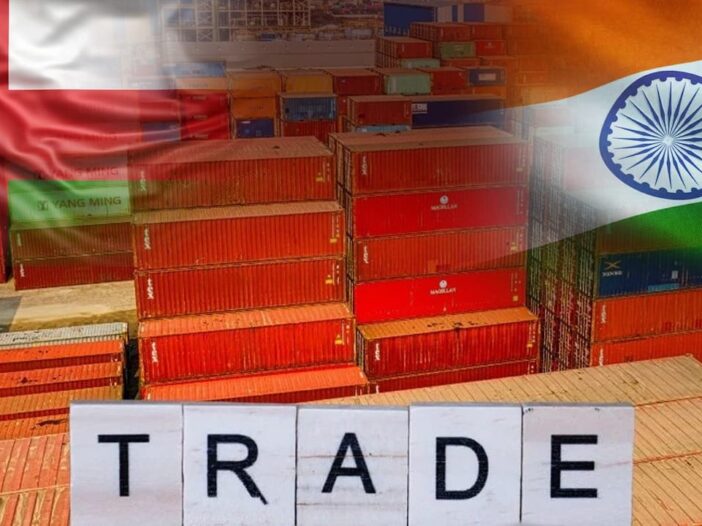
The Comprehensive Economic Partnership Agreement (CEPA) between India and Oman has come into force from June 1, 2026. With the implementation of this agreement, the trade relations between the two countries are expected to get new strength. Commerce and Industry Minister Piyush Goyal said that this agreement will provide better access to the Oman market to Indian exporters. This is likely to provide huge benefits to many sectors including textiles, agriculture, marine products, automobiles and gems and jewellery.
Implementation of CEPA will boost business
India and Oman have long had strong trade relations. Now after the implementation of the Comprehensive Economic Partnership Agreement (CEPA), trade and investment between the two countries is expected to get new momentum. This agreement was signed in Muscat on 18 December 2025 and it became effective from 1 June 2026 after the completion of the internal processes of both the countries.
Bilateral trade reached more than 11 billion dollars
Oman is India’s second largest trading partner in the Gulf region. Bilateral trade between India and Oman increased to $11.18 billion in the financial year 2025-26, which was $10.61 billion in the previous financial year. Oman is also considered an important means of access to the Gulf Cooperation Council (GCC) markets due to its modern port infrastructure.
Prime Minister @narendramodi shares an article on the India-Oman CEPA and its benefits
Read here: https://t.co/kaW5ruBC4f@PMOIndia #IndiaOmanCEPA https://t.co/JHxRf28g0Q
— PIB India (@PIB_India) June 1, 2026
Many areas will get direct benefits
Oman’s import market is more than $28 billion. After the implementation of CEPA, Indian companies will get an edge in this big market. Sectors like engineering goods, machinery, pharmaceuticals, agricultural products, processed food, marine products, textiles, chemicals, electronics, plastic and rubber products, automobiles and gems and jewelery are likely to benefit the most. On the occasion of implementation of the agreement, several consignments of agricultural products and gems and jewelery from Mumbai, Kolkata and Chennai were sent to Oman under preferential duty rates. This will help Indian exporters to reduce costs and gain new markets.
How is CEPA different from FTA?
CEPA is much broader than traditional free trade agreements (FTAs). While FTA mainly focuses on reducing import-export duties, CEPA also includes trade in goods, services sector, investment, movement of professionals, regulatory cooperation, dispute resolution mechanisms and mutual recognition agreements. Its objective is to more deeply connect the economies of the two countries and reduce trade barriers.
Also read- US President’s daughter Tiffany will visit Vantara, impressed by India’s hospitality

Leave a Reply