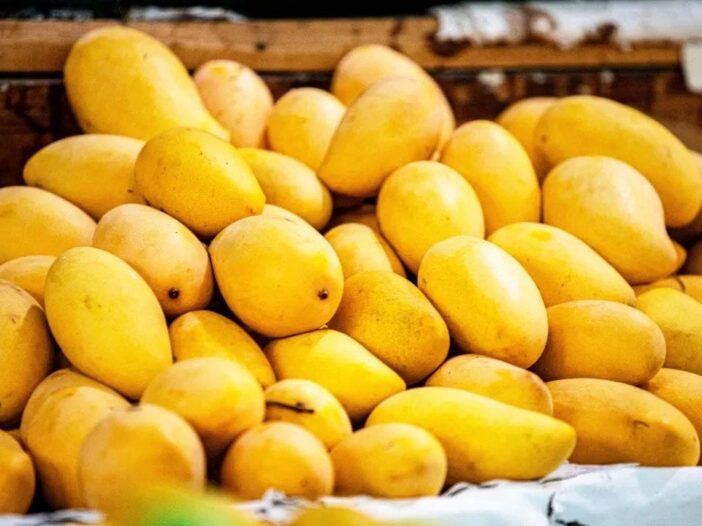
Nepal has curbed the import of mangoes from India, citing the alleged presence of excessive pesticides and lack of quarantine facilities in the border areas. Due to this ban, the availability of domestically produced mango has increased in the local markets of Nepal. The demand for mango is usually very high during the summer season. Officials informed on Tuesday that the government has curbed the import of such mangoes in which the quantity of pesticides was found to be more than the prescribed limit and along with this, the lack of adequate quarantine facilities in the border areas is also a major reason for this decision. The areas lacking facility centers especially include the border areas of Madhes province. Ajay Gyawali, information officer at the Ministry of Land Management, Agriculture and Cooperation in Madhes province, said the curb on mango imports from India has encouraged local farmers as they will not have to compete with Indian fruits this season.
Production takes two months
He said that this has promoted local production, which is a good thing. However, he said that domestic production may not be enough to meet the demand for mangoes across the country. According to Gyawali, Siraha, Saptari and Dhanusha districts of Madhes province are the main producers of mango. Mango production in Nepal takes place between mid-May to mid-July. He said that this ban may also affect some mango based industries like fruit juice manufacturing companies. According to local traders, it is necessary to import mangoes from India to meet the demand of mangoes throughout the year, because Nepali mangoes are produced only for two months.
advice given to the government
Bhuvneshwar Purbe, General Secretary of Fruit and Vegetable Traders Association in Janakpurdham, said that stopping imports from India may lead to shortage in the domestic market. According to ‘The Rising Nepal’ newspaper, he advised the government that instead of completely banning imports, the quarantine system should be strengthened and Indian fruits should be allowed to enter the Nepalese market after proper quality testing. According to him, although more than 50 tonnes of mangoes come to Janakpurdham from neighboring districts and are later supplied to Kathmandu and other parts of the country, the entire demand may not be met through local production alone.
price will increase
Traders have warned that if the ban on import of mangoes from India is not lifted, then the current price of mango in Kathmandu which is around 100 to 150 NPR per kg, may increase further in the coming days. Local customers complain that due to stoppage of banana import from India, the price of the fruit which was available at around 120-150 NPR per dozen till last year, has now reached 250 to 300 NPR per dozen.

Leave a Reply